
Hialeah Gardens Address Eras
Each source reaches a different part of the backward trail. Begin with the most recent reliable parcel, then hand the search from one record system to the next. The city incorporated in 1948, so older sources may describe the same ground through Dade County, Miami, Hialeah, a subdivision, or a legal land description.
| Source | Verified time span | Where held | What it can show |
|---|---|---|---|
| Official Records web | Most records from 1974 forward | Miami-Dade Clerk | Transfers, liens, mortgages, plats, domicile declarations |
| Recorded books and indexes | Before 1974 and later copies | Records Library | Grantor, grantee, book, page, and title chain |
| Property roll | Current and prior fields as supplied | Property Appraiser | Owner, situs, mailing, sales, values, exemptions |
| Federal census | Public through 1950 | NARA | Household at the enumeration date |
| City and phone directories | 1924 Miami volume verified; full run unpublished | MDPLS Main Library | Dated name and address clues |
| Hialeah Sanborn map | 1958 | Library of Congress | Building shape or use if the sheet covers the parcel |
| City permits | Dates not published | Hialeah Gardens | Construction and inspection chronology by request |
No row alone identifies all past residents. Deeds establish title parties. Census and directories can support occupancy, while permits tell the story of the structure.
Start With a Hialeah Gardens Parcel
Search the exact address in the Miami-Dade Property Search. Save the 13-digit folio, legal description, current owner, situs, mailing address, sale history, exemption fields, and deed reference. Situs is the physical parcel. Mailing is the destination for tax correspondence, and it can differ without proving where the owner lives.
The parcel card provides the present anchor for previous-resident work. Its folio and legal description survive changes in ZIP wording and many address-label problems. Homestead information can support an owner-occupancy inference for a stated year, but it cannot enumerate relatives, renters, or other household members.
Use the more detailed Hialeah Gardens by-street process if the search needs every current parcel on a block rather than one address backward through time.
Reverse the Miami-Dade Deed Chain
The deed chain is the chronology spine. Start with today's parcel evidence, then move from each acquisition deed to the seller's earlier acquisition. Names can repeat countywide, so keep the parcel description constant.
- Copy the current owner, folio, legal description, sale reference, and record date from the parcel card.
- Open the acquisition deed in Miami-Dade Official Records. Record CFN, grantor, grantee, execution and recording dates, book and page.
- Search that grantor as a grantee in the earlier period. Confirm the same subdivision, lot, block, or other legal description.
- Repeat deed by deed. Do not treat a lien, mortgage, or same-name result as a transfer without reading its document type.
- At the ordinary 1974 online cutoff, carry the names and legal description to the Records Library's indexes and public computers.
- Grantor
- The party conveying an interest in the recorded instrument.
- Grantee
- The party receiving the interest.
- Chain of title
- The connected series of recorded transfers for one parcel.
- Legal description
- The title description based on subdivision, lot, block, plat, or land grid rather than a mail label.
A complete chain can identify past owners. It still does not prove that those owners occupied the Hialeah Gardens property.
Cross Hialeah Gardens Records Before 1974
Most ordinary online Official Records begin in 1974. Earlier documents are not missing. The Miami-Dade Records Library keeps older indexes and copies, offers public computers, and continues to add old material online. It is located at 20 NW 1st Avenue, Suite 5.246, Miami, with phone 305-275-1155.
Search at the counter by a party name in Last Name First Name order, company name, legal description, or book and page. A mailed deed request should give a full name, document type, and legal description or property address. Staff index work costs $2 per name per year. Standard letter or legal copies cost $1 per page, with $2 certification per document.
The National Archives research page adds the historical census channel used beside older deed books.
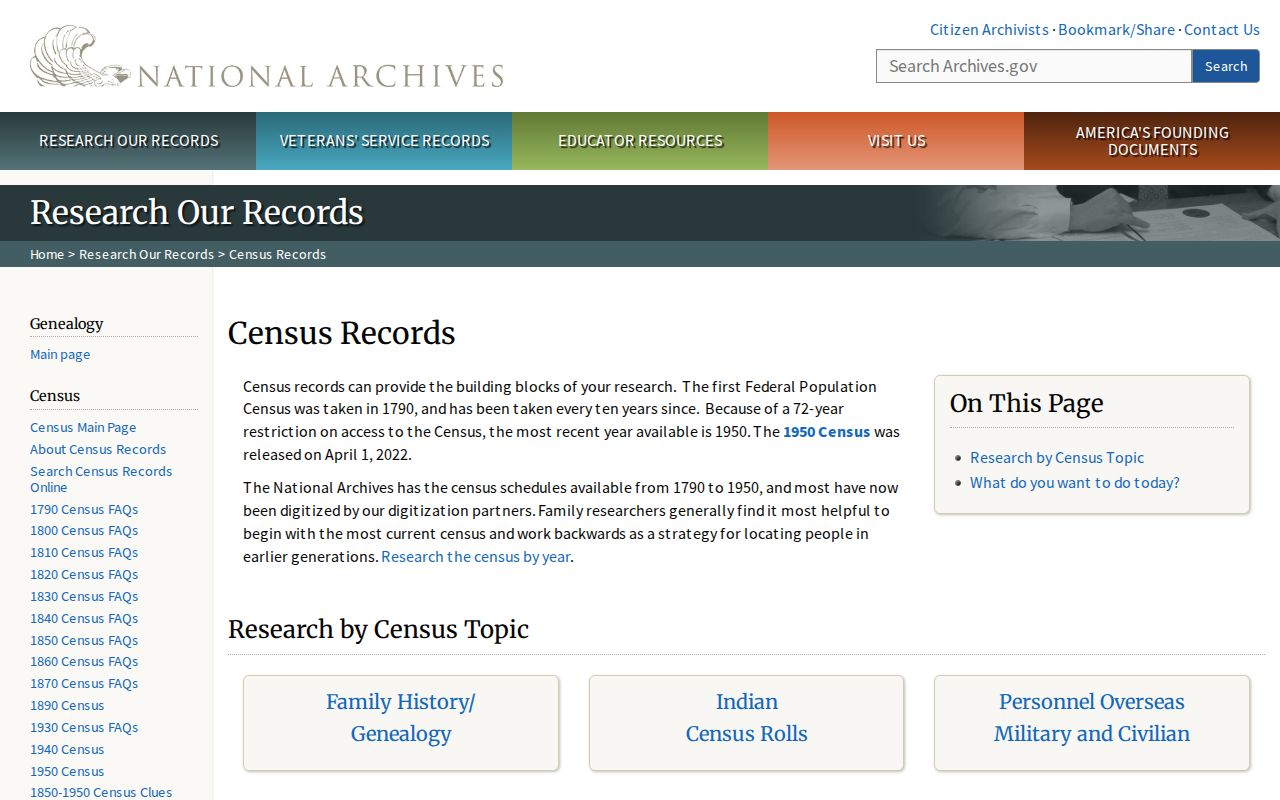
Keeping the legal description beside every name helps prevent a wrong title chain when street or city labels change.
Note: The 1974 line describes common web access, not the age of Miami-Dade's surviving recorded records.
Why Early Dade Records Survived
Dade County was created in 1836, long before Hialeah Gardens. A Florida Memory WPA history says its early records were kept at the Key West courthouse because Miami lacked adequate facilities. Around 1881, Clerk James A. McCrory copied them by hand into deed, transfer, and tax books when Fort Dallas barracks served as the courthouse.
The county seat later moved to Juno and returned to Miami. A courthouse fire after the return did not destroy the Dade records. That local history corrects the common idea that an early gap must mean loss. A researcher who reaches the end of a web result should ask about the book index, archive, or predecessor geography before concluding that the chain ends.
Pair Hialeah Gardens Census Years
Directories and census schedules add the occupant layer that deeds lack. The best method pairs nearby publication years, preserves the exact address and abbreviation, and then tests the household in a released census. Do not assume continuous residence between two dated snapshots.
- Take the normalized address and likely surnames to the MDPLS Main Library directory shelf.
- Inspect consecutive volumes and record the publisher, year, page, address form, spouse marker, occupation, and abbreviation key.
- Search the 1950 Census by name and location. If OCR fails, use the enumeration district and browse schedules.
- Compare names, relationships, ages, and the schedule's location with the directory clue. Record conflicts rather than merging people.
- Use later deed, obituary, or probate evidence to test when a known person arrived, left, or died.
The 1950 Census is the first released federal census after incorporation. Under the 72-year rule, 1960 schedules are expected in 2032.
The National Archives search supports the name and location step.
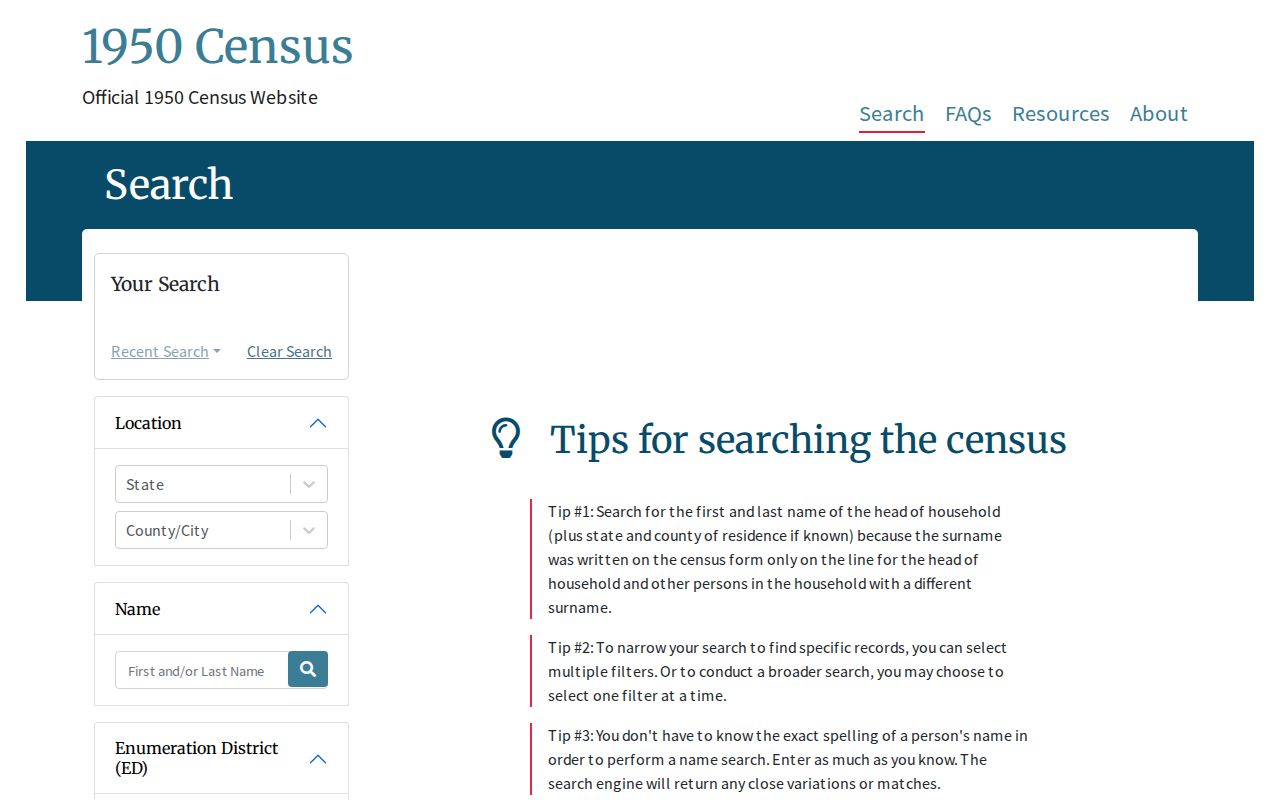
Its OCR index is a starting aid, so enumeration-district browsing remains important for accents and compound surnames.
Use Hialeah Gardens Library Clues
MDPLS Main Library is the principal local genealogy shelf. It holds Miami-Dade city and telephone directories, Florida censuses, federal census resources, passenger lists, draft cards, and surname files. Most physical material is for in-library use. The official catalog does not expose an exact Hialeah Gardens criss-cross year run, so never assign unsupported coverage.
The verified 1924 City of Miami Directory is not a Hialeah Gardens volume. It demonstrates a method: library staff paired a directory entry with Romer photographs and a historic newspaper report to follow an organization and its changing address. Past-resident research should use the same cross-source discipline.
Details about the holdings and how entries read belong to the Hialeah Gardens city directory collections; the backward trail uses only volumes that can be inspected and cited.
Test the 1958 Map Carefully
The Library of Congress catalogs a 1958 Hialeah Sanborn fire-insurance map set with 96 sheets and 93 online images. It may reveal a building footprint or use. The inspected catalog does not prove which sheets cover Hialeah Gardens, so first locate the parcel by contemporary roads, canal geometry, subdivision, and sheet index.
A map symbol should describe the structure shown on that sheet, not identify its residents. If the address is absent, do not silently move it into Hialeah. Pair any match with a deed, directory, census schedule, or permit record tied to the same legal place.
Date Hialeah Gardens Building Work
Permits can show construction, alteration, inspection, contractor, applicant, and owner references at an address. The research did not establish a published online year run for city permits. Use the Hialeah Gardens Building Department and a narrow Florida Public Records Law request for an existing file by exact address, folio, record type, and date range.
A permit applicant may be a contractor or agent. It is not proof of a resident. Compare permit dates with the parcel's building facts, sales, and mapped footprint. That combined chronology can explain why a house first appears, grows, or changes use even when no person-level directory survives.
End a Hialeah Gardens Household Trail
Obituary and probate evidence can carry a known owner or occupant beyond the address. Search probate by decedent, then inspect public petitions, notices, deeds, and orders for estate representatives or heirs. A later tax mailing address or deed may show where an owner moved, while an obituary can supply kinship clues that need independent confirmation.
Florida marriage and dissolution abstracts also provide event links. State marriage certificates are available from June 6, 1927 forward, while the Clerk holds original licenses and full dissolution case files. These are different products. The Florida marriage certificate route shows the statewide abstract channel.
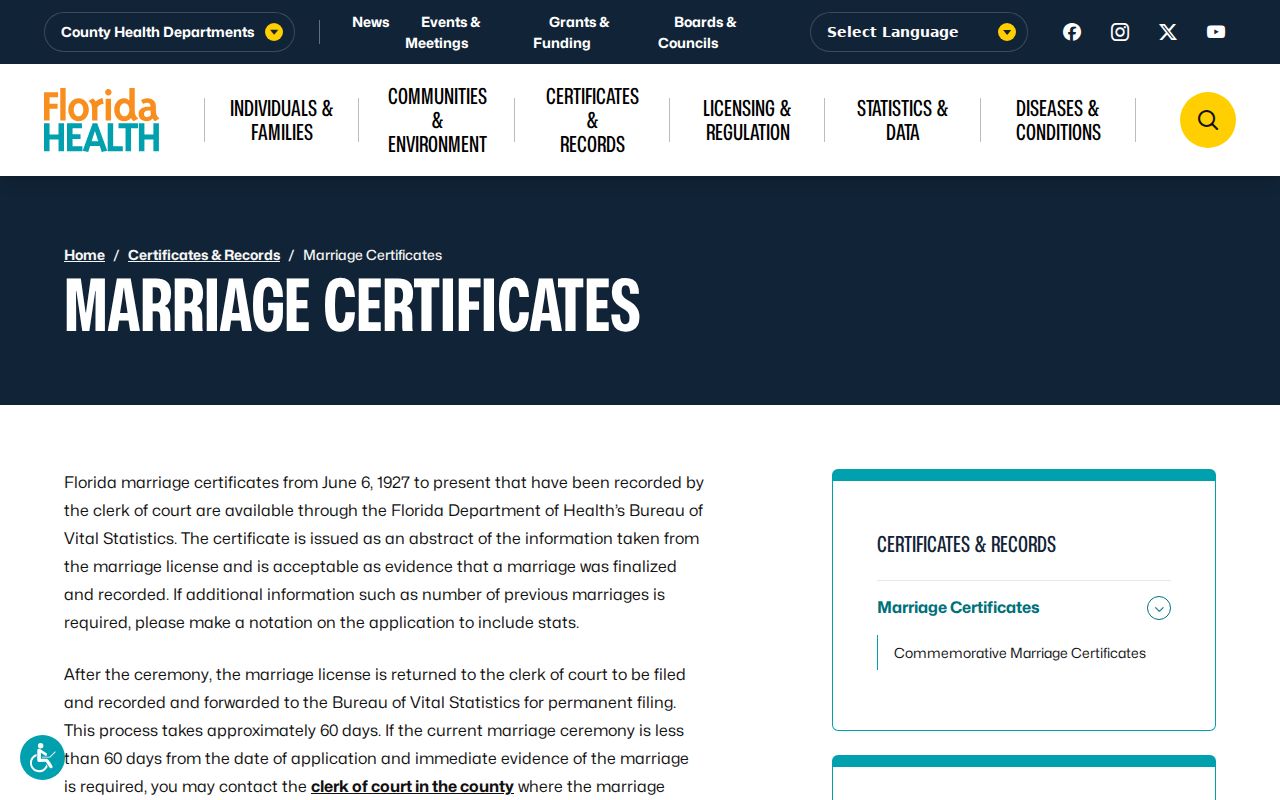
Use an event certificate as one dated relationship source, then return to the parcel and deed evidence.
The Florida dissolution certificate route supplies abstracts rather than the Clerk's full case file.
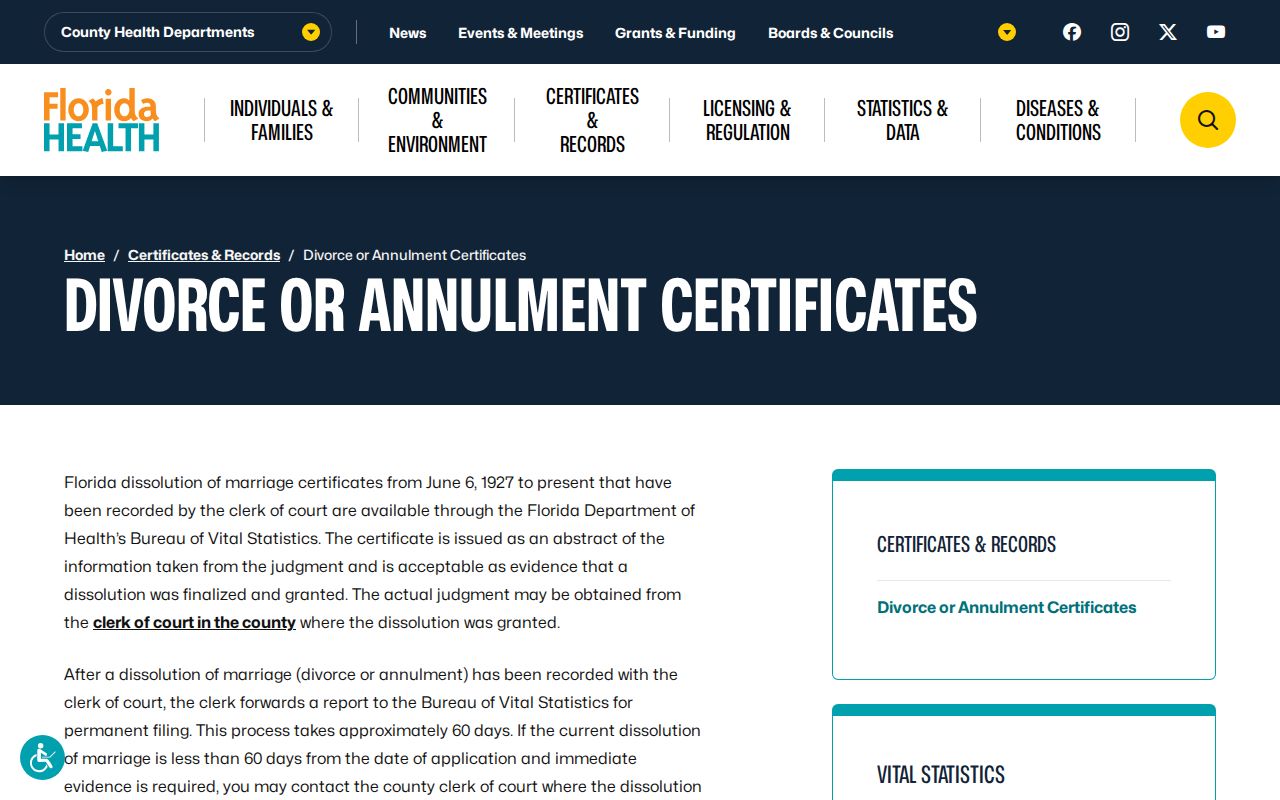
That distinction prevents a short state record from being mistaken for every document in a local case.
Limits on Hialeah Gardens Past Residents
Previous residents are not all indexed. Deeds omit many occupants, directories omit unlisted households, and census schedules are only dated snapshots. A protected address, spelling shift, publication gap, boundary label, or missing OCR result can all create silence. State vital records also have access limits, including younger birth records and cause-of-death restrictions.
Lawful use. Research Hialeah Gardens past residents for house history, genealogy, or estate work. Never use records to track, threaten, or harass a living person.
The sound result is a timeline with source dates and confidence levels. It may identify a title owner, a listed occupant, and a census household at different moments. It should never flatten those roles into one continuous claim about who lived there.